We all know sunscreen is a non-negotiable in any skincare routine—but do you really know which SPF you should be using and when?
Sunscreen helps protect your skin from harmful UVA and UVB rays, which are responsible for premature aging, sunburns, and long-term skin damage. Whether you’re stepping out for a quick errand or spending a full day in the sun, the right SPF matters more than you think!
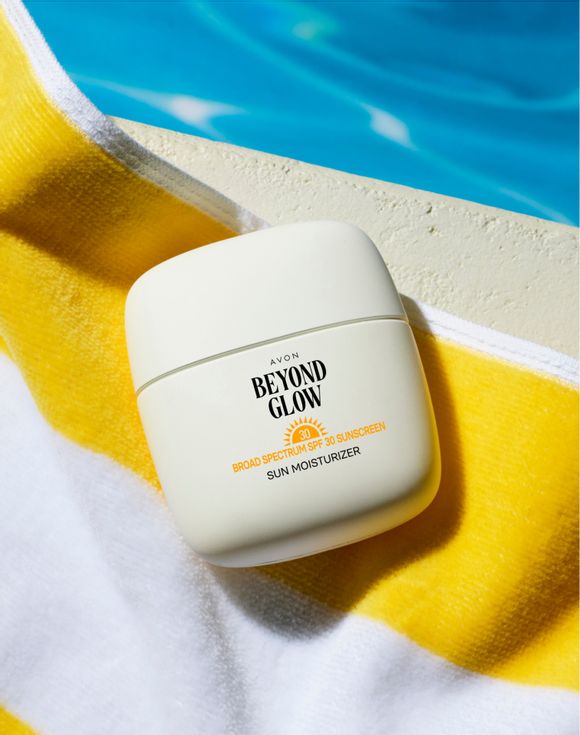
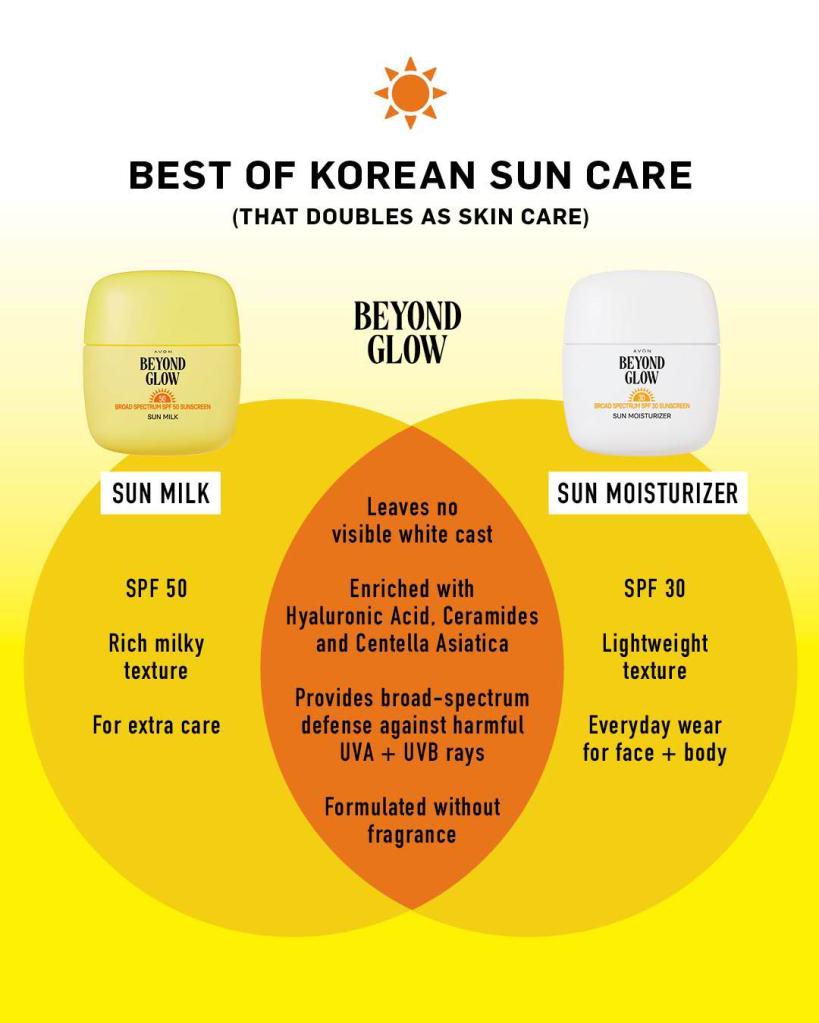
☀️SPF 30 is ideal foreveryday protection—in and out of the house, commuting to work, or running errands. Light sun exposure still adds up, so daily defense is key.
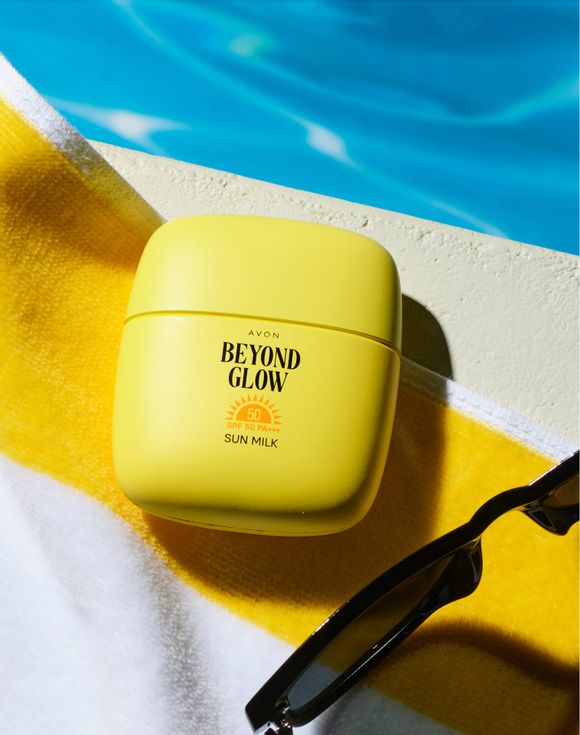
🏖️SPF 50 is made forintentional sun exposure—beach days, pool lounging, summer festivals, or outdoor picnics. If you’re outside for a while, SPF 50 has your back (and face!).
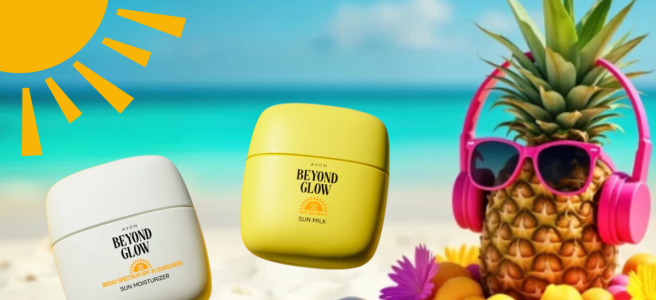
These aren’t just sunblocks—they’re your skincare multitaskers! Our Beyond Glow sunscreens combine advanced sun protection with skin-loving ingredients:
Sunscreen isn’t one-size-fits-all. Whether you’re team 30 or 50, these 2-in-1 formulas are designed to fit into your routine effortlessly—and keep your skin glowing and protected all summer long.
There’s nothing quite like lounging in the sun. But without the proper SPF protection, relaxing sunbath can lead to the sun’s UV rays damaging your skin. And if a few bad sunburns don’t bother you, consider this: according to the Skin Cancer Foundation, having five or more sunburns can double your risk of developing melanoma. It’s one of the reasons why more people are diagnosed with skin cancer in the U.S.A. than all other cancers combined.
But what if you like the look of getting a tan? Do it using a proper SPF. Those UV rays can age your skin prematurely. It’s called photoaging and it happens when sun exposure dries the skin, thickening the epidermis and slowing down cell renewal. This means skin can be dehydrated and look older, more wrinkled, withdark spots and leather-like texture.
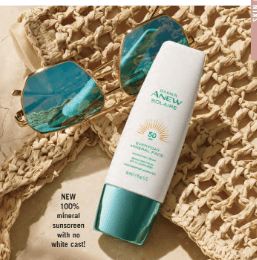
Advanced sun protection and luxury skincare in one.
SPF stands for Sun Protection Factor, and the number beside it indicates how well the sunscreen protects the skin against sunburn. It is not an indicator of how long you can stay out in the sun, rather, it indicates how much longer it takes untanned skin to start to redden with sunscreen applied compared to how long it takes to start reddening without it.
To get the SPF number, a simple formula is used. The number of seconds it takes a patch of skin to slightly redden when covered in sunscreen is divided by the number of seconds it takes to slightly redden when there is no sunscreen applied. Say it took 300 seconds for skin to burn with sunscreen, and 10 seconds to burn without it. 300 is divided by 10, which is 30. The SPF is 30.
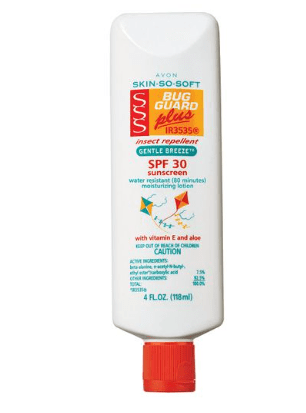
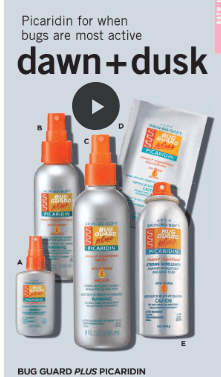
Using bug spray or lotion with sunscreen has several benefits. First, it saves time and effort by combining two essential products into one. This means that you can protect yourself from the harmful UV rays of the sun while also repelling pesky insects. Second, it is more convenient to carry around a single product instead of two separate ones, especially when traveling or spending time outdoors. Lastly, using bug spray with sunscreen can save you money in the long run by eliminating the need to purchase separate products. Overall, combining bug spray with sunscreenis a practical and efficient way to protect yourself from both the sun and insects.






 Terri K's Journey of an Avon Lady